Understanding Wärmepumpen für Altbau
As the demand for sustainable and energy-efficient heating solutions increases, homeowners in older buildings must consider modern options for home heating. One such solution is the wärmepumpe im altbau, which has become a popular choice among those looking to upgrade their heating systems. This guide explores the intricacies of heat pumps in older structures, detailing their benefits, installation requirements, and future trends.
What is a Wärmepumpe?
A Wärmepumpe, or heat pump, is a device that transfers heat from one place to another, utilizing electrical energy to move heat from the outside air or ground into a building. Unlike traditional heating systems that create heat, heat pumps are more energy-efficient as they simply move existing heat, making them an eco-friendly choice for homeowners.
Why Consider Wärmepumpe im Altbau?
Installing a Wärmepumpe in an old building can provide numerous advantages, including lower energy costs, reduced reliance on fossil fuels, and a smaller carbon footprint. However, these benefits are contingent upon proper installation and the building’s existing infrastructure.
For homeowners contemplating this transition, wärmepumpe im altbau offers comprehensive insights into the feasibility and financial implications of such an investment.
Environmental Benefits of Using Wärmepumpen
Heat pumps are recognized for their ability to significantly reduce carbon emissions when used as a primary heating source. They draw thermal energy from renewable sources, thus playing a vital role in the fight against climate change. By replacing oil or gas heating systems with Wärmepumpen, homeowners can contribute to a more sustainable future.
Evaluating Suitability of Your Altbau
Assessing Energy Efficiency: Key Factors
Before deciding on a Wärmepumpe, it’s essential to evaluate your building’s energy efficiency. Factors such as insulation quality, window types, and overall thermal performance significantly affect heating requirements. Conducting an energy audit can provide clarity on whether a heat pump is the right choice for your property.
Common Misconceptions About Altbau and Wärmepumpen
There are several misconceptions regarding the use of Wärmepumpen in older buildings. Common beliefs include the idea that heat pumps are only suitable for highly insulated homes or that they cannot efficiently heat larger spaces. In reality, with the right modifications and system upgrades, Wärmepumpen can be tailored to meet the heating demands of any altbau.
Pre-requisites for Installation
Successful installation of a Wärmepumpe requires certain prerequisites. These can include:
- Improved insulation in walls and roofs
- Updated windows to minimize heat loss
- Sufficient space for outdoor unit placement, particularly for air-source heat pumps
Types of Wärmepumpen Suitable for Altbau
Air-to-Water Wärmepumpen
Air-to-water Wärmepumpen extract heat from the outside air and transfer it to the water heating system. These systems are often cost-effective and efficient for moderate climates but may be less effective in extremely cold temperatures.
Ground Source Wärmepumpen
Ground source Wärmepumpen, or geothermal systems, harness heat from the ground through buried piping. They are more efficient than air-source systems and provide a consistent heat supply, making them an excellent choice for older buildings with good space for installation.
Hybrid Systems: Combining Efficiency
Hybrid systems combine traditional heating methods with Wärmepumpen to provide a more stable heating source. During peak temperatures, this system can switch between sources, optimizing efficiency and lowering energy costs.
Implementation Steps for Installing a Wärmepumpe
Consulting Professionals for a Custom Solution
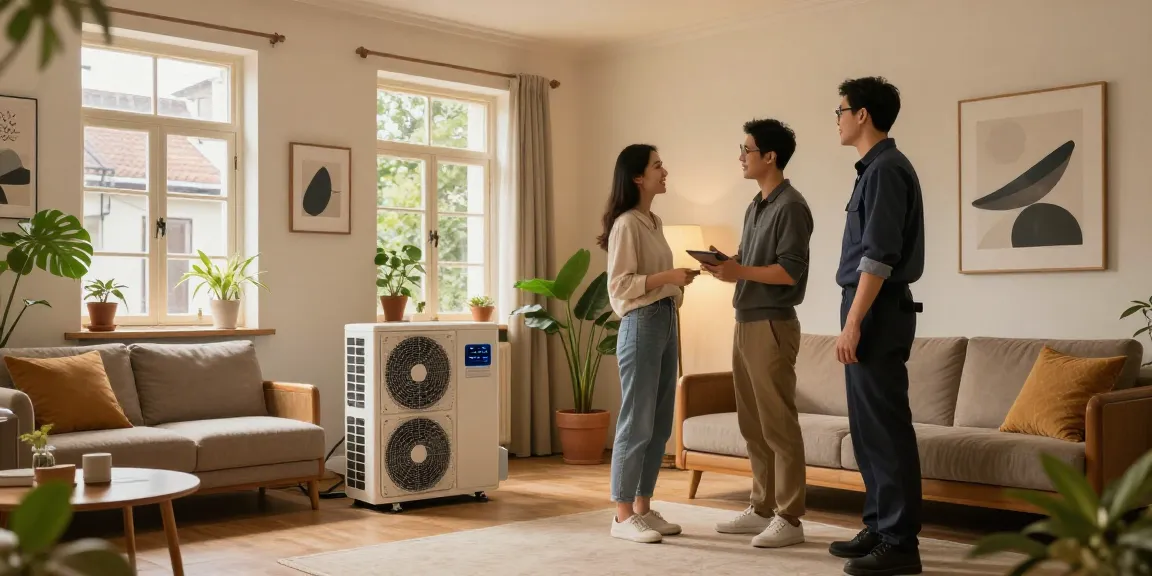
It’s crucial to work with professionals who specialize in heating systems to ensure a proper installation. They can assess your specific needs, help you choose the right system, and guide you through the installation process.
Funding Options and Government Incentives in 2026
Various funding options and incentives may be available for homeowners interested in installing Wärmepumpen in 2026. Government grants and subsidies can alleviate some financial burdens associated with the installation of energy-efficient systems.
Post-Installation: Maintenance and Optimization
Once a Wärmepumpe is installed, regular maintenance is essential to ensure its efficiency and longevity. Homeowners should schedule annual inspections to check for system performance and make necessary adjustments.
Future Trends in Wärmepumpen Technology
Innovative Solutions for Old Buildings
As technology advances, new solutions for integrating Wärmepumpen into older structures are emerging. These innovations focus on enhancing efficiency and reducing installation complexities, making it easier for homeowners to upgrade their heating systems.
Smart Home Integration with Wärmepumpen
The incorporation of smart technology allows homeowners to control their heating systems remotely, optimizing energy use and enhancing comfort. Integration with IoT devices can lead to predictive maintenance, ensuring that systems operate at peak efficiency.
Predictions for Energy Efficiency in 2026
As more homeowners adopt energy-efficient technologies, it is predicted that Wärmepumpen will play a pivotal role in the overall reduction of energy consumption in the residential sector. Enhanced technologies and systems will likely emerge, leading to even greater efficiencies and lower operational costs.
Is a Wärmepumpe worth it in an Altbau?
Investing in a Wärmepumpe can be financially worthwhile for many homeowners in altbau properties, especially if the necessary renovations, such as improved insulation and modern heating distribution systems, are implemented. The long-term savings on energy bills and the positive environmental impact are significant benefits.
What are the common issues with installing Wärmepumpen?
Common installation issues can arise, particularly concerning the building’s age and structure. Challenges may involve inadequate insulation, the need for ductwork updates, or space limitations for outdoor units. Proper planning and consultation with professionals can help mitigate these concerns.
How does a Wärmepumpe compare to traditional heating systems?
Wärmepumpen generally offer higher energy efficiency than traditional heating systems, such as gas or oil boilers. They also provide a more sustainable solution by reducing reliance on fossil fuels, thus helping to lower household carbon footprints.
Can I install a Wärmepumpe without major renovations?
While some renovations may be necessary to optimize the performance of a Wärmepumpe, it is often possible to install one with minimal changes, particularly in cases where homes already have reasonable insulation or modernized heating systems in place.
What are the cost savings with a Wärmepumpe in an Altbau?
The cost savings associated with a Wärmepumpe installation can be substantial. Homeowners may see a reduction in energy bills by up to 60%, depending on the efficiency of the system and the local energy prices. Additionally, the increased property value from energy-efficient upgrades can contribute further to long-term financial benefits.