
Understanding the Fundamentals of Sports Broadcasting
Sports broadcasting is a dynamic and essential component of the modern media landscape, bridging the gap between events on the field and audiences at home. Through various platforms, fans can experience the thrill of live sports, often accompanied by expert analysis, engaging commentary, and real-time updates. As a vital sector within the entertainment industry, Sports Broadcasting encompasses the production, distribution, and reception of sports-related content across different media.
Defining Sports Broadcasting
At its core, sports broadcasting involves the transmission of live sports events or related content to an audience via television, radio, or online platforms. It serves multiple purposes: to entertain, inform, and engage fans, providing detailed insights into games and athletes. As technology has advanced, the definition of sports broadcasting has expanded to include streaming services and digital platforms, creating more accessibility for viewers worldwide.
Key Players in the Industry
The sports broadcasting industry consists of several key players that work collaboratively to deliver content to audiences:
- Broadcasters: These are the networks, channels, and platforms that air sports events, including cable, satellite, and streaming services.
- Production Teams: Responsible for the technical aspects of broadcasting, including camera operators, sound engineers, and editors.
- Commentators and Analysts: Professionals who provide insights, analysis, and commentary to enhance the viewing experience.
- Sports Organizations: Many leagues and teams have their own broadcast rights and contribute content directly or collaborate with broadcasters.
Different Types of Sports Broadcasting
Sports broadcasting can take various forms, each tailored to meet specific audience preferences and enhance viewer engagement:
- Live Televised Events: The most traditional form, delivering real-time coverage of games.
- Highlights Shows: Programs that summarize key moments from various events.
- Analysis Shows: Focus on providing deeper insights and discussions about games, teams, and players.
- Digital Streaming: Allows fans to watch games and content on-demand through mobile apps and websites.
- Podcasts and Internet Radio: Offer commentary and news in audio format, catering to listeners on the go.
Essential Equipment for Effective Sports Broadcasting
Cameras and Audio Equipment
The backbone of any successful sports broadcast is high-quality visual and audio equipment. The choice of cameras is pivotal. Multiple camera angles capture live action, providing viewers various perspectives. Common types include:
- SD/HD Cameras: Standard-definition and high-definition cameras are crucial for broadcasting clarity.
- 360-Degree Cameras: These offer immersive experiences, allowing viewers to explore events from diverse angles.
- Action Cameras: Compact and durable, they can be used in dynamic environments, providing unique shots.
Audio quality is equally important. Microphones must capture clear commentary and ambient sounds, enhancing the viewing experience. Wireless lapel mics are often used for commentators, while shotgun mics are ideal for capturing field sounds.
Broadcasting Software and Tools
In addition to hardware, effective broadcasting requires sophisticated software and tools to manage the production process. Key tools include:
- Video Switchers: Allow directors to switch between different camera feeds seamlessly.
- Graphics Software: Essential for creating visually engaging overlays, scoreboards, and graphics that enhance viewer engagement.
- Audio Mixing Consoles: Facilitate real-time control over audio levels from various sources.
Using the right software can significantly enhance the quality of the broadcast and streamline the workflow for production teams.
Setting Up a Broadcasting Station
Establishing a broadcasting station requires strategic planning and investment in both technology and infrastructure. Here are some key considerations:
- Location: The station should be situated in a location with reliable internet access and minimal interference.
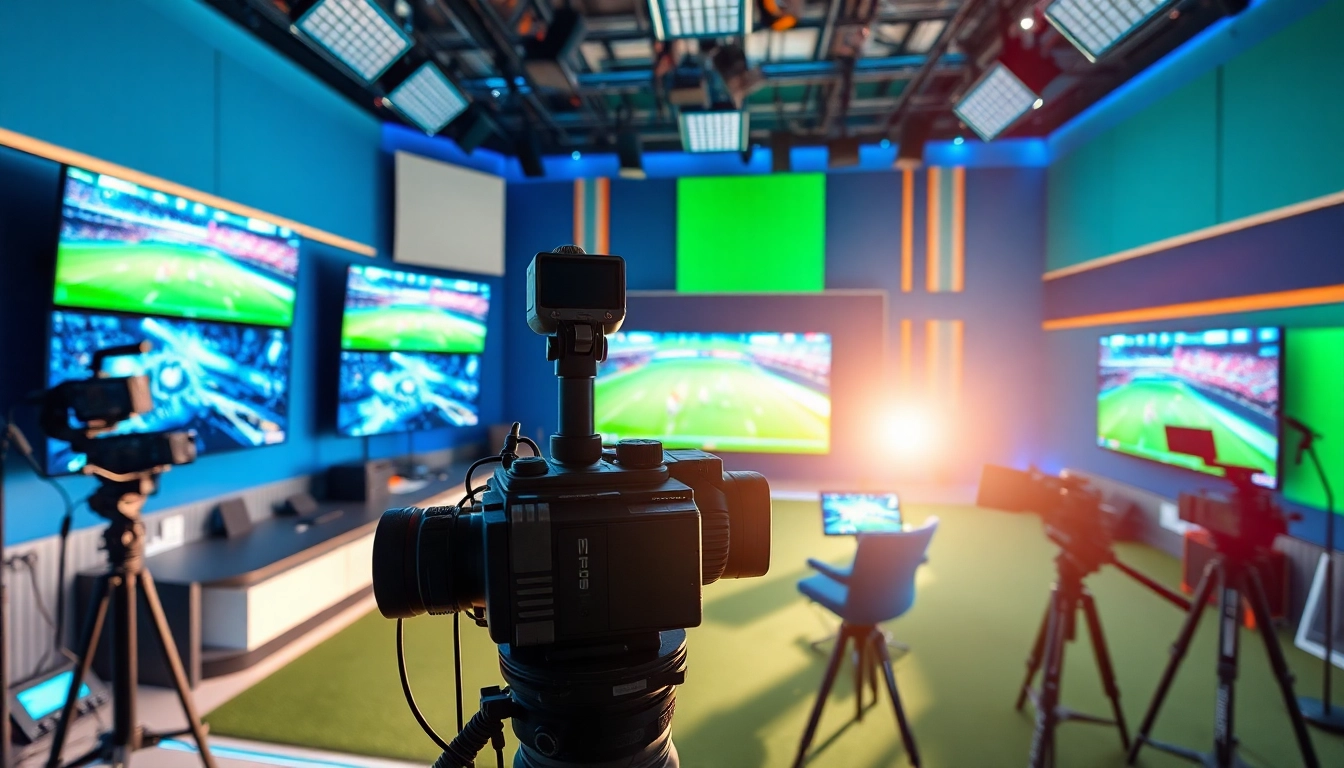
- Studio Design: A well-designed studio accommodates equipment, personnel, and provides a visually appealing backdrop for broadcasts.
- Test Equipment: Regularly test all equipment to ensure optimal performance during live broadcasts.
Creating a workflow that is efficient and adaptable to changing conditions is essential for success in sports broadcasting.
Techniques for Engaging Sports Commentary
Developing Your Unique Commentating Style
A great commentator captivates the audience through a unique style that reflects their personality while maintaining professionalism. To develop this style:
- Practice Regularly: Frequent commentary practice helps refine delivery and timing.
- Study Other Commentators: Analyzing both successful and less successful commentators provides insights and inspiration.
- Connect with the Sport: A deep understanding of the sport is vital; knowing statistics, player backgrounds, and historical context enables richer commentary.
Building Relationships with Audiences
Successful sports broadcasters build a rapport with their audience. This can be achieved through:
- Engaging Social Media: Actively communicating with fans through platforms helps build a community.
- Interactive Content: Polls, Q&As, and live chats can create an interactive experience.
- Consistent Branding: A strong personal brand helps audiences identify with the commentator and keep them engaged.
Handling Live Situations
Sports broadcasting often involves unpredictability. Commentators must be equipped to handle live situations, such as unexpected events or technical difficulties. Training in crisis management and maintaining composure is crucial. Techniques to manage live situations include:
- Prepare for Contingencies: Having backup plans for equipment failure or unexpected incidents is essential.
- Thoughtful Pauses: When faced with uncertainty, taking a moment can help organize thoughts and maintain professionalism.
- Stay Informed: Continuous updates on player statistics and game situations ensure that commentary remains fluid.
Navigating the Business Side of Sports Broadcasting
Understanding Licensing and Rights
One of the critical aspects of sports broadcasting is understanding licensing agreements and broadcasting rights. Different levels of licensing dictate how content is distributed and monetized. Key points to consider include:
- Securing Broadcast Rights: You must negotiate and acquire the necessary rights to air events legally.
- Regional vs. National Licensing: Different licenses may apply based on geographic reach.
- Intellectual Property: Understanding copyright laws is vital to avoid legal disputes.
Marketing Strategies for Sports Broadcasters
Effective marketing is vital for increasing viewership and engagement. Successful strategies include:
- Targeted Advertising: Use demographics to tailor content and advertisements to specific audience segments.
- Cross-Promotion: Collaborating with teams and leagues can enhance visibility through joint marketing efforts.
- Utilize Data Analytics: Analyzing viewer preferences helps tailor promotional strategies for maximum effectiveness.
Monetization Opportunities
Broadcasting events can be monetized through various avenues:
- Ad Revenue: Selling ad space during broadcasts is one of the primary revenue sources.
- Sponsorships: Partnering with brands for sponsorship can provide financial support in exchange for visibility during broadcasts.
- Subscription Models: Implementing subscription services for exclusive content can create a steady revenue stream.
Evaluating Performance in Sports Broadcasting
Measuring Audience Engagement
Understanding how to measure audience engagement is essential for improving content strategy and broadcast performance. Key metrics include:
- Viewership Ratings: Monitoring TV ratings and online view counts provide basic audience insights.
- Social Media Engagement: Likes, shares, and comments can indicate how well content resonates with audiences.
- Feedback Surveys: Collecting viewer feedback can highlight strengths and areas for improvement.
Analytics Tools for Broadcasters
Using analytics tools helps broadcasters gain insights into their performance. Tools might include:
- Google Analytics: This tool monitors website traffic and viewer behavior for online broadcasts.
- Social Media Analytics: Platforms like Facebook and Twitter provide valuable statistics on audience engagement.
- Custom Dashboards: Creating personalized dashboards can help visualize key performance indicators.
Adapting Strategies Based on Feedback
Being responsive to audience feedback can dramatically improve broadcasting strategies. Techniques include:
- Regularly Review Feedback: Make it a routine to assess viewer comments and adapt content accordingly.
- Test Different Approaches: Experimenting with different commentary styles or presentation formats can reveal what resonates most.
- Continuous Learning: Stay up-to-date with industry trends, adjust strategies, and incorporate new technologies for improvement.
Frequently Asked Questions
What skills are essential for sports broadcasters?
Key skills include strong communication, deep sports knowledge, analytical thinking, adaptability, and technical proficiency in broadcasting equipment.
How do sports broadcasters secure broadcasting rights?
Sports broadcasters negotiate licenses with sports organizations, which may involve contracts detailing the terms and conditions of airing events.
What role does technology play in sports broadcasting?
Technology enhances visuals and audio quality, streamlines the production process, and expands reach through online platforms and social media.
How can aspiring broadcasters gain experience?
Aspiring broadcasters can gain experience by volunteering at local sports events, creating a personal blog or podcast, or interning with media organizations.
What are common challenges in sports broadcasting?
Challenges include technical failures, handling live unpredictability, maintaining viewer engagement, and managing the business side of broadcasting.